

1. Certification Overview
ARCSA is the highest regulatory body responsible for regulating the safety, efficacy, and quality of medical devices, pharmaceuticals, cosmetics, food, and hygiene products, and overseeing marketing authorization to protect the health and safety of the people of Ecuador.
All medical devices imported, exported, sold, and distributed in Ecuador must officially obtain a Sanitary Registration Certificate (Registro Sanitario) through the official computerized system of ARCSA prior to customs clearance, and overseas manufacturers may only apply through a legally registered local legal representative in Ecuador.
Ecuador classifies medical devices into four classes (Class I / Class A, Class II / Class B, Class III / Class C, Class IV / Class D) based on the level of potential harm to the human body and the duration of contact, and high-risk medical devices (Class II, III, IV) require extensive technical documentation (Dossier) and verification of accredited test reports during the review process.
However, if you submit proof of approval and a Certificate of Free Sale (CFS) from advanced foreign regulatory agencies recognized by Ecuador (such as the US FDA, European CE, Korean MFDS, Australian TGA, etc.), you can shorten the approval period by applying the Homologation/Fast Track, which significantly simplifies the document review process.
2. Regulatory Agencies & Basic Information
| Regulatory Agencies | Agencia Nacional de Regulación, Control y Vigilancia Sanitaria(ARCSA) |
| Lead time / Price | Varies by product |
| Language | Spanish |
| Agent | Local agent required |
3. Medical Device Classification
| Class | Risk | Example | |
|---|---|---|---|
| Class A | Low risk | • Non-powered Examination Tools: Surgical scalpels, Tongue depressors, Examination gloves • Hospital Furniture & Mobility Aids: Manual wheelchairs, Hospital beds, Crutches • External Hospital Consumables: Non-sterile bandages, Surgical masks | 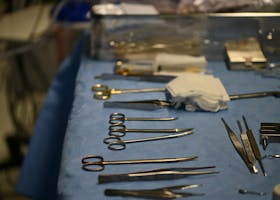 Surgical scalpels |
| Class B | Low to Moderate risk | • Electronic Monitoring & Measuring Devices: Electronic blood pressure monitors, Digital thermometers, Hearing aids • Hypodermic & Suction Consumables: Hypodermic syringes & needles, Intravenous infusion sets, Oxygen masks • Home-use Aesthetic Devices: Low-power LED masks, Galvanic/Microcurrent skin care tools | 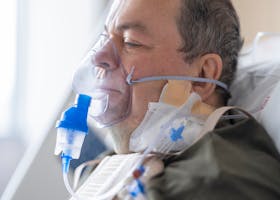 Oxygen masks |
| Class C | Moderate to High risk | • Active Life-Support & Imaging Systems: Diagnostic X-ray equipment, Ultrasound imaging systems, Lung ventilators, Infusion pumps • Short-to-Medium Term Surgical Implants: Orthopedic bone plates & screws, Dental implants • Clinical Aesthetic Equipment: Clinical High-intensity focused ultrasound/HIFU, Laser/RF surgical units | 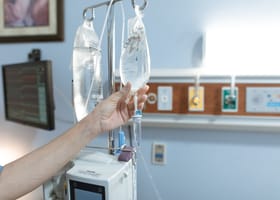 Infusion pumps |
| Class D | High risk | • Central Circulatory & Life-Sustaining Implants: Coronary/Vascular stents, Implantable pacemakers, Artificial heart valves • Neurological & High-Risk Invasive Devices: Implantable neurostimulators, Cochlear implants • Injectable Materials for Deep Tissue: Hyaluronic acid dermal fillers, Absorbable surgical sutures, Breast implants |  Hyaluronic acid dermal fillers |
4. Certification Process
- Designation of local legal representative
- Product Classification
- Preparation of submission documents
- ECUAPASS-VUE Portal Submission
- Technical review and laboratory analysis
- Issuance of hygiene registration certificate
5. Required Documents
| Administrative & Legal Documents | • Appointment of Local Representative • ECUAPASS-VUE Electronic Submission • Certificate of Free Sale (CFS) issued by the government of origin |
| Quality Management System Documents | • Quality Certificate of Manufacturing Facility and Good Manufacturing Practice ([ISO 13485] or [GMP Certificate]) |
| Technical Dossier | • Technical Specifications and Product Description • Standardized Spanish Labeling and Instruction Manual • Sterilization Method & Validation Reports • Biocompatibility Studies (ISO 10993) |
6. Validity Period & Maintenance
- Validity Period: 5 years
- Renewal: Renewal application completed 6 months before expiration