

⚫ What are Medical Devices?
Tools, machines, devices, materials, or similar products used on humans or animals, either alone or in combination, that fall under any of the following subparagraphs
- Products used for the purpose of diagnosing, treating, alleviating, managing, or preventing disease
- Products used for the purpose of diagnosing, treating, alleviating, or correcting injury or disability
- Products used for the purpose of inspecting, replacing, or modifying their structure or function
- Products used to control pregnancy
🌐 Country-specific classification and basic information
Medical devices are classified into classes based on the degree of potential risk to the human body.
🇰🇷 KOREA (MFDS)
- Classification
| Class | Risk | Example | |
|---|---|---|---|
| Class 1 | Very Low risk | • Medical compression stockings • Manual wheelchair • Medical gloves • Dental implant instruments | 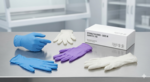 Medical gloves |
| Class 2 | Low risk | • Electric wheelchair • Digital thermometer • Hearing aid • Personal combination stimulator | 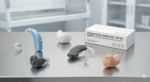 Hearing aid |
| Class 3 | High risk | • Artificial Joints (Hip/Knee) • Hemodialysis Machine • Automated External Defibrillator (AED) • Artificial Heart Valve | 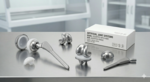 |
| Class 4 | Very High risk | • Pacemaker • Implantable drug infusion device • Artificial cardiopulmonary device • Stent (for cardiovascular) | 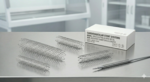 |
- Basic Information
- Test Standards: ISO, IEC
- Certification Body: Private certification body designated by the Ministry of Food and Drug Safety
- Testing Institution: Testing institution designated by the Ministry of Food and Drug Safety
- Main procedures
- Product safety review
- QMS-KGMP
🇺🇸 USA (FDA)
- Classification
| Class | Risk | Example | |
|---|---|---|---|
| Class I | Low risk | • Manual Wheelchair • Medical Gloves • Elastic Bandages • Scalpels • Dental Floss | 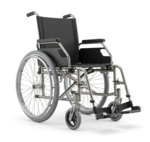 Manual Wheelchair |
| Class II | Intermediate risk | • Blood Glucose Monitor • Powered Wheelchair • Condoms • Ultrasound Diagnostic Devices • Infusion Pumps | 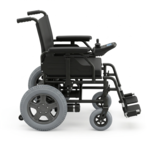 Powered Wheelchair |
| Class III | High risk | • Pacemaker • Heart Valves • Breast Implants • Ventricular Assist Devices • High-risk IVD | 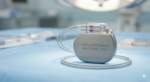 Pacemaker |
- Basic Information
- Test standards: ISO, IEC, 21 CFR
- Certification Body: CDRH under the FDA
- Testing Institution: No specific testing period is designated; reports from suitable laboratories or inspection bodies (capable of conducting tests against ISO or IEC standards) are accepted.
- Main procedures
- Product safety review
🇪🇺 EUROPE(CE)
- Classification
| Class | Example | |
|---|---|---|
| Class I | • Manual wheelchair • Vision correction glasses • Disposable Masks |  Disposable Masks |
| Class I m (measuring function) | • Clinical Thermometer (Passive) • Blood pressure monitor (Passive) • Blood glucose meter |  Clinical Thermometer (Passive) |
| Class I s (sterile condition) | • Sterile syringes • Sterile gauze and bandages • Sterile surgical supplies | 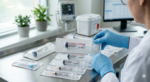 Sterile syringes |
| Class I r (reusable surgical) | • Forceps & Clamps • Surgical Scissors • Retractors |  Retractors |
| Class IIa | • Clinical Thermometer (Active) • Dental Fillings • Hearing aids | 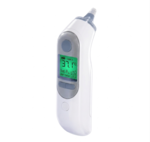 Clinical Thermometer (Active) |
| Class IIb | • Ventilator • Hemodialysis machine • Surgical Laser Devices | 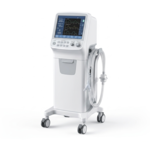 Ventilator |
| Class III | • Heart valves • Hip prosthesis • Implantable Drug Injector | 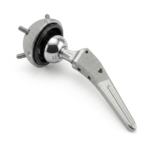 Hip prosthesis |
- Basic Information
- Test Standards: Harmonised European Standards
- Certification Body: Check List of Notified Bodies (NBs)
- Testing Body: Testing conducted by a Notified Body (NB).
- Main procedures
- Product safety review
- QMS-ISO 13485
🇨🇳 CHINA (NMPA)
- Classification
| Class | Risk | Example | |
|---|---|---|---|
| Class I | Low risk | • Manual Surgical Instruments: Surgical scissors, Forceps, Scalpel handles • Examination Device: Medical examination chairs, Surgical lights, Stethoscopes • Physical Therapy Equipment: Medical hot packs, Manual wheelchairs, Orthopedic splints | 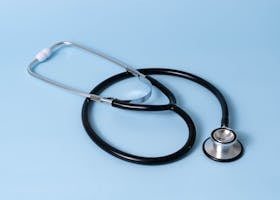 Stethoscopes |
| Class II | Medium risk | • Electronic Diagnostic Equipment: Electronic blood pressure monitors, Digital thermometers, ECG monitors, Ultrasound imaging systems • Aesthetic & Medical Laser Devices: Medical laser therapeutic devices, Intense Pulsed Light (IPL) equipment • Surgical & Ward Supplies: Disposable surgical masks & gowns, Disposable syringes, Medical sterilizers • Dental Materials: Dental impression materials, Dental implant surgical instruments, Dental dental units | 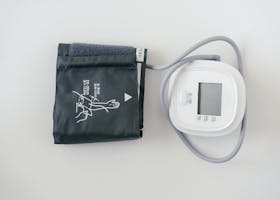 Electronic blood pressure monitors |
| Class III | High risk | • Implantable Medical Devices: Cardiac pacemakers, Artificial joints, Vascular stents • Injectable Biomaterial: Dermal fillers (Injectable sodium hyaluronate gel) • Life Support Systems: Mechanical ventilators, Anesthesia machines, Hemodialysis equipment | 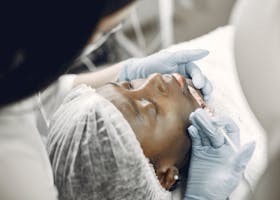 Dermal fillers |
- Basic Information
- Test Standards: GB (China National Standard), or Chinese Medical Device Industry Standards if GB is unavailable
- Certification Body: NMPA
- Testing Body: NMPA-registered laboratories, CNAS-accredited third-party laboratories equipped with GB/YY standards or Chinese guidelines
- Main procedures
- Product Safety Review (Technical Document)
- QMS(GMP)-China GMP
🇹🇼 TAIWAN (TFDA)
- Classification
| Class | Risk | Example | |
|---|---|---|---|
| Class 1 | Low risk | • Manual Surgical & Clinical Instruments: Surgical forceps, Mechanical stethoscopes • Basic Patient Support & Mobility Aids: Elastic bandages, Manual hospital beds • Non-invasive Examination Tools: Clinical glass thermometers, Surgical eye pads | 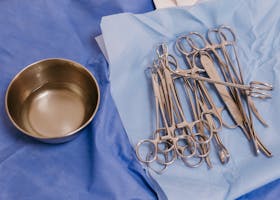 Surgical forceps |
| Class 2 | Moderate risk | • Active Diagnostic & Monitoring Systems: Electrocardiograph/ECG machines, Electronic blood glucose monitors • Endoscopic & Dental Instruments: Rigid/Flexible endoscopes, Dental handpieces • Energy-based Aesthetic & Injectable Devices: High-frequency/RF skin care devices, Hyaluronic acid dermal fillers, Contact lenses | 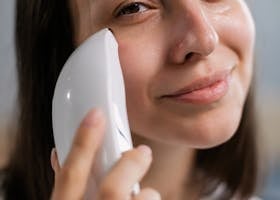 High-frequency/RF skin care devices |
| Class 3 | High risk | • Implantable Cardiac & Circulatory Support Systems: Implantable pacemakers, Coronary/Vascular stents • Life-Sustaining & Anaesthesia Equipment: Mechanical ventilators, Continuous anesthesia machines • Permanent Surgical Implants: Artificial heart valves, Breast implants, Bone screws & plates | 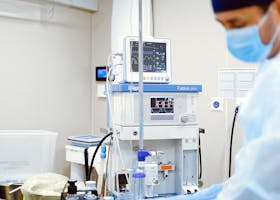 Continuous anesthesia machine |
- Basic Information
- Test Standards: Taiwan Standard, ISO, IEC
- Certification Body: TFDA
- Testing Body: TFDA-designated testing laboratory
- Main procedures
- Product safety review
- QMS-Taiwan QMS
🇮🇳 INDIA (CDSCO)
- Classification
| Class | Risk | Example | |
|---|---|---|---|
| Class A | Low risk | • Manual Orthopedic & Mobility Aids: Manual wheelchairs, Walking aids, Crutches • Non-invasive Examination Tools: Mechanical stethoscopes, Tongue depressors, Medical beds • Consumables & Dressings: Elastic bandages, Surgical drapes, Non-sterile examination gloves | 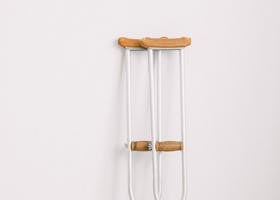 Crutches |
| Class B | Low to Moderate Risk | • Basic Electronic Diagnostic Equipment: Digital thermometers, Electronic sphygmomanometers (Blood pressure monitors), ECG monitors • Non-high-risk Invasive Devices: Hypodermic needles, Suction equipment, Disposable syringes • Surgical Wear & Protective Gear: Sterile surgical gloves, Surgical gowns, Personal protective equipment | 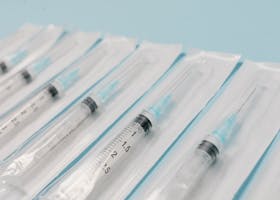 Disposable syringes |
| Class C | Moderate to High Risk | • Critical Life-Support & Therapy Systems: Infusion pumps, Mechanical ventilators, Dialysis machines • Active Imaging & Diagnostic Systems: X-ray systems, MRI machines, Ultrasound imaging equipment • Non-cardiovascular Fixation Implants: Bone fixation plates/screws, Orthopedic implants, Intraocular lenses | 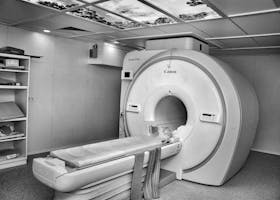 MRI machines |
| Class D | High Risk | • Central Circulatory & Cardiac Implants: Implantable pacemakers, Heart valves, Drug-eluting stents • Advanced Life-Sustaining Systems: Ventricular assist devices (VAD), Intra-aortic balloon pumps (IABP) | 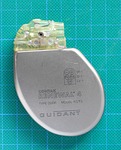 Implantable pacemakers |
- Basic Information
- Test Standards: CDSCO Regulations, ISO, IEC
- Certification Body: CDSCO Designated Organization
- Testing Body: CDSCO Designated Organization
- Main procedures
- Product safety review
- QMS-ISO 13485
🇧🇷 BRAZIL (ANVISA)
- Classification
| Class | Risk | Example | |
|---|---|---|---|
| Class I | Low risk | • Manual Surgical Instruments: Surgical scalpels, Surgical forceps & scissors • Non-invasive Examination & Support Tools: Mechanical stethoscopes, Ophthalmoscopes, • Manual hospital beds • Basic Consumables: Non-sterile bandages & Gauze, Surgical drapes | 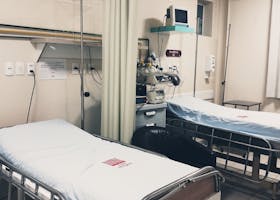 Manual hospital beds |
| Class II | Moderate risk | • Electronic Diagnostic & Monitoring Devices: Electronic sphygmomanometers, Digital thermometers, Hearing aids • Sterile Surgical Wear & Disposables: Sterile surgical gloves, Disposable syringes, Blood storage bags • Powered Home-use Skincare Devices: Low-power LED masks, Galvanic skin care tools | 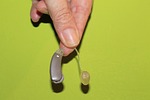 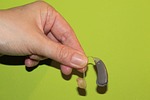 Hearing aids |
| Class III | High risk | • Active Therapeutic & Imaging Equipment: Ultrasound imaging systems, X-ray machines, Magnetic Resonance Imaging/MRI • Professional Aesthetic & Surgical Systems: High-intensity focused ultrasound/HIFU for clinical use, High-frequency/RF surgical units, Surgical lasers • Absorbable Material & Injections: Hyaluronic acid dermal fillers, Absorbable surgical sutures, Contact lenses |  Hyaluronic acid dermal fillers |
| Class IV | Maximum risk | • Life-Sustaining & Central Nervous/Circulatory Implants: Implantable pacemakers, Coronary/Vascular stents, Heart valves • Advanced Support & Anaesthesia Systems: Mechanical ventilators, Defibrillators, Anaesthesia workstations • Long-term Neurological Implants: Neurological catheters, Spinal fixation systems | 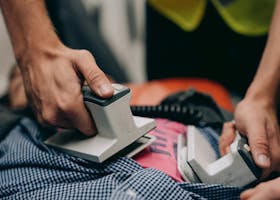 Defibrillators |
- Basic Information
- Test Standards: RDC, ISO, IEC
- Certification Body: ANVISA
- Testing Body: Certification procedures performed by an INMETRO-accredited body (in the case of electronic products) / Recognition of test results from ILAC testing laboratories
- Main procedures
- Product safety review
- QMS-ANVIS GMP or MDSAP
🇲🇽 MEXICO (SSA)
- Classification
| Class | Risk | Example | |
|---|---|---|---|
| Class I | Low risk | • Non-invasive Support Materials: Elastic bandages, Surgical caps & gowns, Cotton applicators • Hospital Support Furniture: Crutches, Manual hospital beds, Examination tables • Manual Surgical Instruments: Non-powered scalpel handles, Surgical forceps, Tongue depressors • Basic Diagnostic Tools: Mechanical stethoscopes, Neurological hammers | 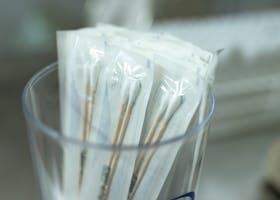 Cotton applicators |
| Class II | Moderate risk | • Powered Diagnostic & Therapeutic Devices: Blood pressure monitors, Hearing aids, Powered surgical instruments • Short-term Invasive Consumables: Hypodermic syringes with needles, Contact lenses, Intravenous infusion sets • Energy-based Aesthetic Devices: Medical LED masks, Microcurrent skin stimulators | 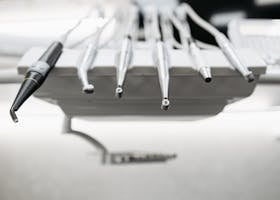 Powered surgical instruments |
| Class III | High risk | • Central Circulatory & Neurological Implants: Cardiac pacemakers, Neurostimulators, Drug-eluting stents • Deep Tissue Injectables & Materials: Hyaluronic acid dermal fillers, Absorbable surgical sutures, Orthopedic implants • Life-Sustaining Equipment: Mechanical ventilators, Defibrillators | 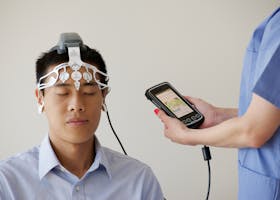 Neurostimulators |
- Basic Information
- Test Standards: NOM, IEC, ISO
- Certification Body: COFEPRIS
- Testing Body: COFEPRIS-designated testing laboratory
- Main procedures
- Product safety review
- QMS-NOM-241-SSA1-2021 or MDSAP
⚫ Product Safety Review (Medical Device Testing)
It is a legal procedure to verify the safety and effectiveness of the device in accordance with each regulation.
You must apply for authorization/certification through product testing and inspection and technical document review.
◼️ Medical Device Testing
- Electrical safety(IEC 60601-1)
- EMC(IEC 60601-2)
- RF
- Essential performance(performance)
- Biocompatibility(ISO 10993-1)
- Transportation, Packaging Testing(ASRM-US)
- Usability Testing, Usability (IEC 62366-1)
- Software Validation (IEC 62304)
- Cybersecurity
- IEC 624434-1: Standards related to general security
- IEC/TR 60601-4-1: Medical device security
- Risk Management Report(ISO 14971) + FMEA
- Sterilization/Disinfection
- Label Manual
- Clinical Evaluatin Report (CER)
⚫ Technical Documents
Technical Documents?
Documents containing raw materials, structure, intended use, method of use, operating principle, precautions for use, test standards, etc., as data regarding the quality, such as safety and performance, of the product.
◼️ Medical Device Technical Documentation (Korean Standards)
1. Composition
• Medical device approval application + supporting documents (including clinical trial data)
• In the case of international standardization technical documents
◦ Medical Device Approval Application Details + Overview (STED, Summary Technical Documentation) + Attachments
2. Deadline based on the scope of attached materials
• Clinical trial data not required: 65-day processing period for applications for approval and technical documentation review materials excluding clinical trial data.
• Clinical trial data required: Application for approval, technical documentation including clinical trial data. Processing period for review materials: 80 days.
3. How to write
• Filling out the medical device approval application
• Preparation of attachments
◦ Comparison Table of Essentially Equivalent Items
◦ Information regarding the purpose of use
◦ Data on the operating principle
◦ Test standards, their basis, and actual measurement data as materials to verify product performance and safety
-Data on electrical and mechanical safety
-Biological safety data
-Safety data regarding radiation
-Data on electromagnetic safety
-Data regarding performance
-Data on physical and chemical properties
-Data regarding stability
• Data regarding origin or discovery and development history
• Data regarding clinical trials
• Data on usage status abroad, etc.
4. Application Documents
• Request for Review of Medical Device Technical Documents, etc.
◦ Data compared with already approved and certified products
◦ Data regarding the purpose of use
◦ Data on the operating principle
◦ Data regarding test standards, the basis for their establishment, and the actual measurement site as the following materials to verify the performance and safety of the product
• Data on electrical and mechanical safety
• Biological safety data
• Safety data regarding radiation
• Data on electromagnetic safety
• Data regarding performance
• Data on physical and chemical properties
• Data regarding stability
• Data regarding origin or discovery and development history
• Data regarding clinical trials
• Data on foreign usage status, etc.