

1. Certification Overview
ANVISA conducts certification for items such as medical products and cosmetics. Medical products include medical machinery and equipment, various medical and dental supplies, preventive medicine supplies, diagnostic supplies, disease treatment supplies, rehabilitation supplies, contraceptives, immunological products, diagnostic laboratory instruments, and reagents; approval must be obtained through the official ANVISA registration process.
Brazil classifies medical devices into Classes I through IV based on the risk to the health of users, patients, operators, or related third parties.
– ClassⅠ : Low risk
– ClassⅡ : Moderate risk
– ClassⅢ : High risk
– ClassⅣ : Maximum risk
Medical devices classified as Class I and Class II are subject to notification, while medical devices classified as Class III and Class IV are subject to registration.
2. Regulatory Agencies & Basic Information
| Regulatory Agencies | ANVISA (National Health Surveillance Agency) |
| Lead time / Price | Varies by product |
| Language | Portuguese |
| Agent | Brazilian local agent |
3. Medical Device Classification
| Class | Risk | Example | |
| Class I | Low risk | • Manual Surgical Instruments: Surgical scalpels, Surgical forceps & scissors • Non-invasive Examination & Support Tools: Mechanical stethoscopes, Ophthalmoscopes, • Manual hospital beds • Basic Consumables: Non-sterile bandages & Gauze, Surgical drapes | 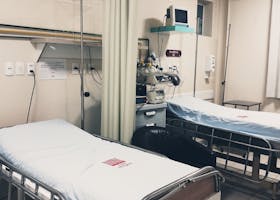 Manual hospital beds |
| Class II | Moderate risk | • Electronic Diagnostic & Monitoring Devices: Electronic sphygmomanometers, Digital thermometers, Hearing aids • Sterile Surgical Wear & Disposables: Sterile surgical gloves, Disposable syringes, Blood storage bags • Powered Home-use Skincare Devices: Low-power LED masks, Galvanic skin care tools |   Hearing aids |
| Class III | High risk | • Active Therapeutic & Imaging Equipment: Ultrasound imaging systems, X-ray machines, Magnetic Resonance Imaging/MRI • Professional Aesthetic & Surgical Systems: High-intensity focused ultrasound/HIFU for clinical use, High-frequency/RF surgical units, Surgical lasers • Absorbable Material & Injections: Hyaluronic acid dermal fillers, Absorbable surgical sutures, Contact lenses |  Hyaluronic acid dermal fillers |
| Class IV | Maximum risk | • Life-Sustaining & Central Nervous/Circulatory Implants: Implantable pacemakers, Coronary/Vascular stents, Heart valves • Advanced Support & Anaesthesia Systems: Mechanical ventilators, Defibrillators, Anaesthesia workstations • Long-term Neurological Implants: Neurological catheters, Spinal fixation systems |  Defibrillators |
4. Certification Process
- The applicant submits documents to ANVISA for the notification, registration, modification, re-verification, or cancellation of a medical device.
- In the case of medical device notifications, processing is generally carried out within 30 days from the date of submission by the applicant.
- Registration approval is processed once the Good Manufacturing Practice (GMP) certificate issued by ANVISA is issued.
5. Required Documents
1. Medical device notification
| 1. Medical device declaration form provided on the ANVISA website 2. (For imported medical devices) A declaration issued by the manufacturer ※ The declaration must include consular authentication or an apostille, and must be written in Portuguese, English, or Spanish, or accompanied by a certified translation 3. (For medical devices subject to mandatory certification listed by ANVISA in specific regulations) A copy of the Certificate of Conformity issued under the Brazilian System of Conformity Assessment (SBAC) 4. Evidence of compliance with legal provisions determined in technical regulations in accordance with the laws regulating specific medical devices |
2. Medical Device Registration
| 1. Medical device registration form provided on the ANVISA website 2. Technical documentation 3. (For imported medical devices) A declaration issued by a legal authority 4. (For imported medical devices) A certificate of registration, a certificate of free sale, or an equivalent document issued by the competent authority of the country where the medical device is manufactured, sold, or sold only 5. A Certificate of Good Manufacturing Practice (GMP) issued by ANVISA or a confirmation of the application documents for the GMP certificate 6. (For medical devices requiring mandatory certification) A copy of the Certificate of Conformity issued under the Brazilian System for Conformity Assessment (SBAC) 7. Evidence of compliance with legal provisions set forth in the technical regulations applicable to the specific medical device |
3. Technical Documents
| 1. A detailed description of the medical device, including the basis of operation and function, contents or composition where applicable, and a list of accessories for product integration. 2. The intended use or application of the medical device as indicated by the manufacturer. 3. Precautions, restrictions, warnings, special care, and instructions regarding the use, storage, and transport of the medical device. 4. Introduction to the medical device. 5. Labels and instructions for use. 6. A description of each process step leading to the production of the finished product, including a flowchart showing the manufacturing plant and the steps of the medical device manufacturing process. 7. A description of the safety and performance of the medical device in accordance with current regulations regarding essential safety and performance requirements for the medical device. |
6. ANVISA – INMETRO
1) Certification Overview
ANVISA requires that certain medical devices, such as electrical medical devices and high-risk consumables, be certified by the National Institute for Quality and Standards (INMETRO), which is responsible for establishing technical standards in Brazil. INMETRO certification is required not only for electronic medical devices subject to IEC 60601 but also for some other medical devices.
2) Examples of eligible items
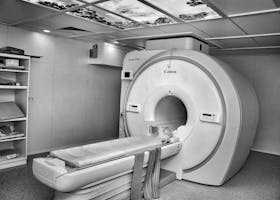 MRI | 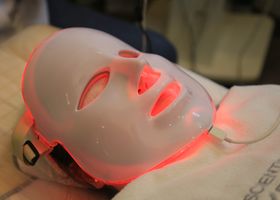 Low-power LED masks | 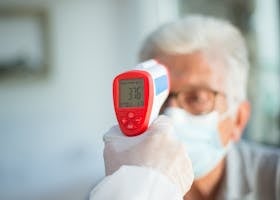 Digital thermometers |
7. ANVISA – INMETRO – ANTEL
1) Certification Overview
ANVISA requires that medical devices include communication functions (Bluetooth, Wi-Fi, etc.) be certified by ANATEL.
2) Examples of eligible items
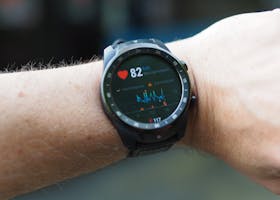 Medical-Grade Smart Watches with ECG/Arrhythmia Detection | 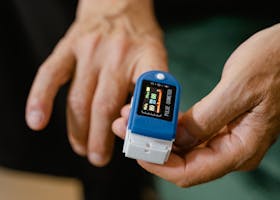 Wireless Pulse Oximeters & Blood Pressure Monitors | 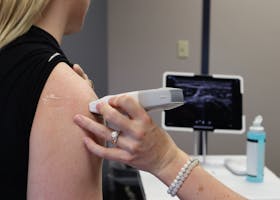 Wireless Ultrasound Probes & Imaging Systems |
8. Validity Period & Maintenance
- ANVISA
- Class I&II: No expiration date
- ClassIII&IV: 10 years
- INMETRO: No expiration date
- ANATEL: 2 years
Source
Resolution RDC 848/2024
Resolution RDC 751/2022
ANVISA Homepage